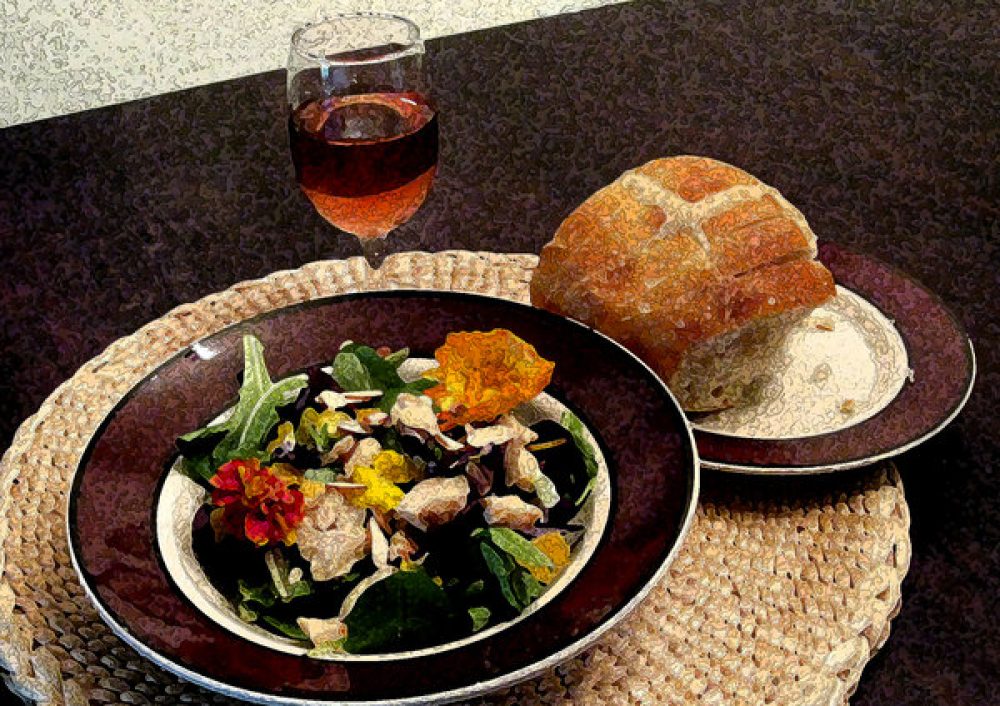

It has been a while since my last blog. Mainly because I moved into a new city and also just not sure what else I could talk about. What did I consume on a regular basis that I’d have the expertise to talk about? Then it struck me: WINE!
Wine has been around since mankind has walked upright. It has been around since the first man or woman used the juice of fermented fruits as a beverage to help with the digestion of a well-rounded and satisfying meal.
I can also imagine that the pairing of the vintages with what foods has also perplexed the hostess to dinner parties of what to serve with what course, red or white.

When I was in France, I found out that the course determined which to serve with what was being served. Depending on how many courses were being served defined what and how many wines would be utilized to give a satisfactory feeling to the dining experience.
Americans simplified it by focusing on the main course or entre to determine what wines to serve. They simplified it to red wine with beef, white with chicken and fish. In recent years the rule has changed to whatever you like is fine.
What I believe to be the real determination of what and how to serve wines is based on the simple rules of chemistry. Being an experiment driven chef, I often look toward chemistry to determine what I pair with different ingredients to come up with different recipes. I use the same when selecting wine to serve with dinners and often brunch.
It was once thought that red wines were the go-to for heavier meats like beef. Not necessarily so. All wine (grape juice) starts out white or clear. The color is determined by the grape skins. The grape skins determine the color, number of tannins, sugar and other factors in the flavor or essence of the finish product.
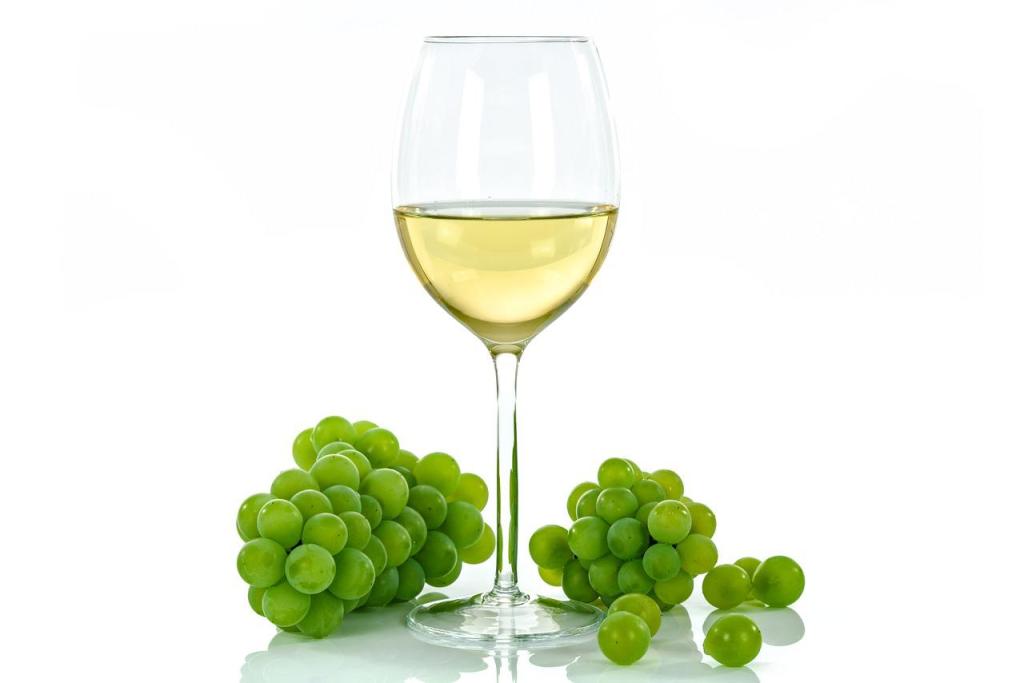
That is why weather, harvest time, and length of time the skins or musk of the grape determines the bouquet or intensity of the body of the wine.
For shortness of this blog my advice in selecting the wine for your next dinner is simply this. Select your wine pairing with the idea that for delicate flavors like scallops, shrimp or some white fleshed fish select a benign, slightly neutral wine like a light Riesling.
For a heavy, strong flavored protein like a steak you want a full-bodied wine that can stand up to the stronger more robustness. There are a lot of whites out here that can do that.
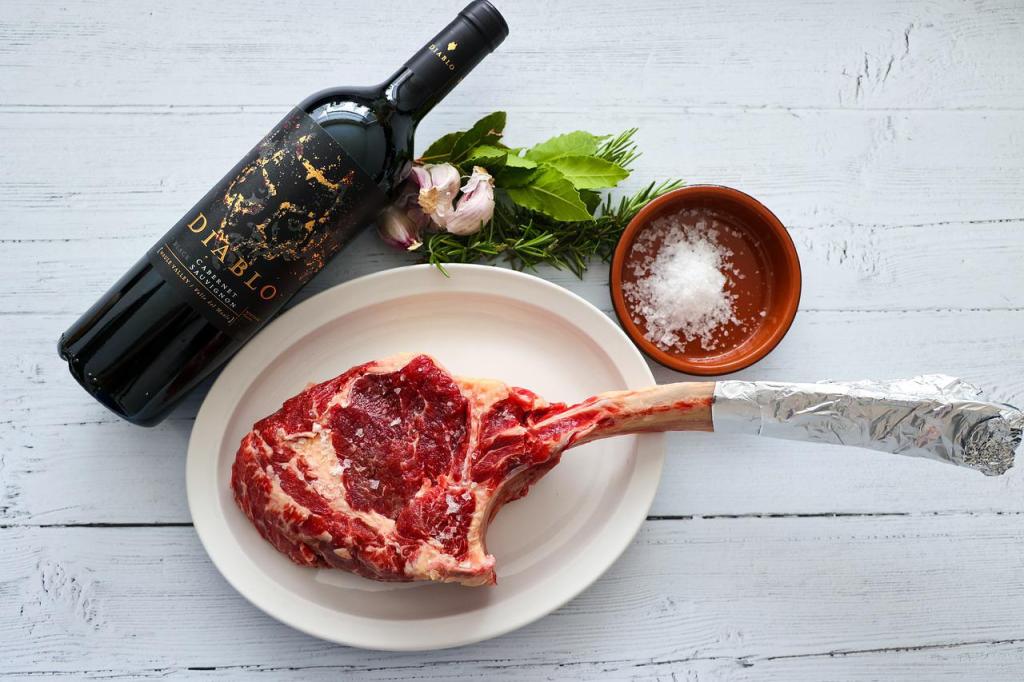
Things to take away from this is to remember that hot peppery food usually need a sweeter wine. Savory strong food needs a full bodied strong enough to stand its ground.
 Fearless Cooking on a Fixed Income!