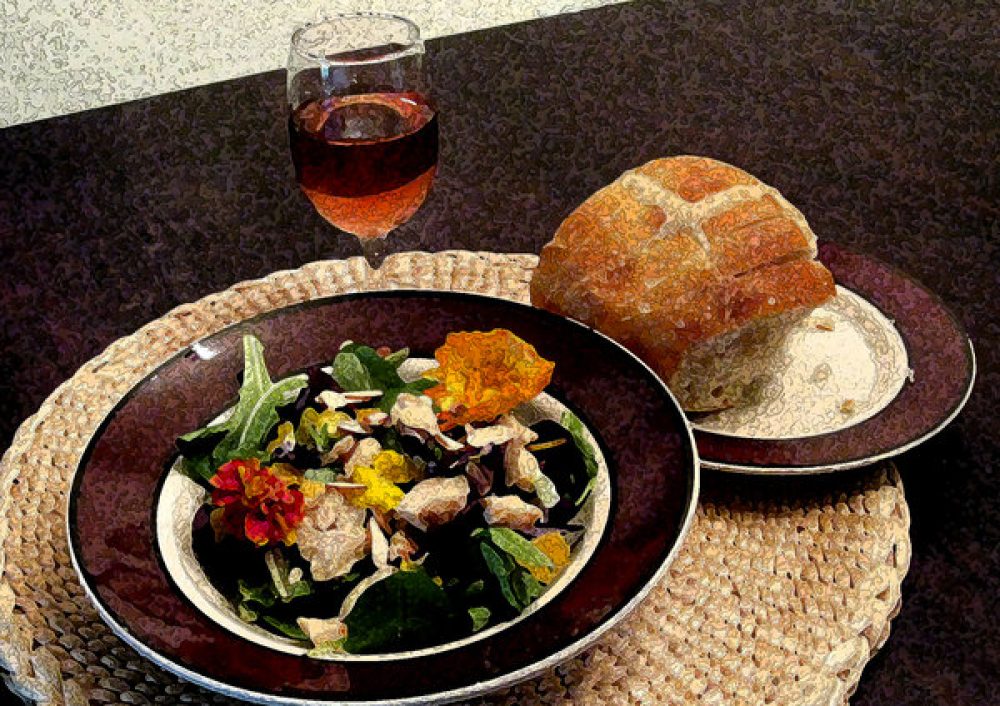
For years, I thought that cooking with a wok was for only Asian Food and gas burners. Boy, was I wrong!
Woks are one of the most useful cooking pans that can be used in the kitchen. They can be expensive, heavy and come in all sizes. I have two. One I purchased about two years ago and was not successful in the use of it so I put it in the pantry and have not used it since.
That is changing now that I have learned the cuisine magic that can be produced with this marvelous invention that has been used for generation after generation.
The wok is not only for stir-frying—it can be used for pretty much everything. Woks are designed to cook foods hot and fast, so you need to use a type of oil that is approved for cooking over high heat.
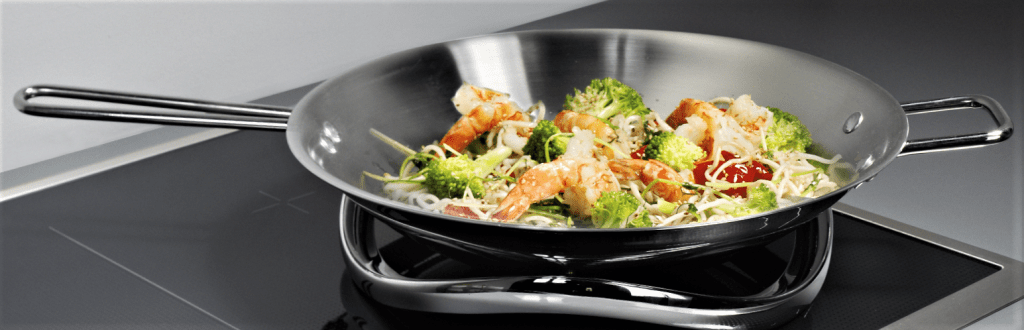
You need much less oil to deep-fry in a wok than in a regular saucepan. You can put a bamboo steamer in the wok, fill the base of the wok with water and steam like that, or get little metal trivets in the bottom, lay a dish on the trivet, and cover with a wok lid.
You can also use it for boiling and making stews, or even as a smoker—you cover the base of the wok with several layers of foil, and then you put some sugar and tea leaves and some flour. Heat it up until the sugar is burning and everything is smoldering, and you can put food on a rack, put the lid on, and do hot-smoking like that.
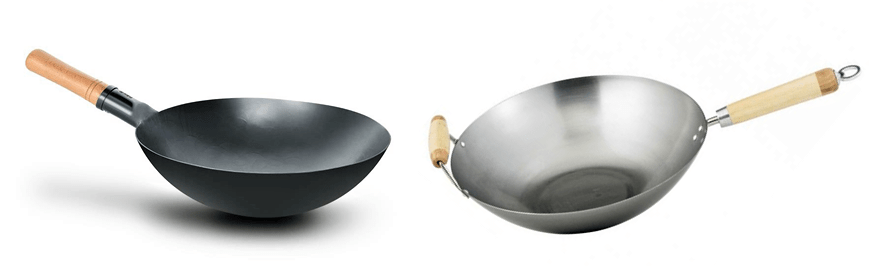
When you’re choosing a wok, you need to think about what kind of stove you have. If you have a gas flame, you can have a traditional round-bottomed wok. But if you have an electric stove like I have, then you need a wok with a flat bottom. As for materials, I favor the carbon steel one, which heat up and cool down quickly.
The average wok seems to be priced at around $50. I found one at the Goodwill Store for $14. It is a 12-inch steel with a lid. The steel appeared to be stained but it was otherwise in good condition, so I bought it. Little did I know that the staining was the patina giving it the non-stick quality of a well-seasoned wok.
After watching the care and use of woks on the internet and putting the techniques to practice I have used my wok almost daily. Everything from deep frying to frying eggs.
They have different sorts of handles. Some have one long handle—that is the easiest thing if you want to toss your food around. Other woks will have two ear handles. The good thing about those woks is they’re very stable, so for boiling or deep-frying, you do want it to be safer. My wok is 12-inches with one ear handle and one long handle it seems to be just right for at home cooking.
While Wok cooking is seemingly all drama with high flames that curve up around the underside of the round-shaped pan with clouds of smoke filling the kitchen. This is not necessarily the case. It depends entirely what you are cooking and whether or not you are steaming or frying. What it does do I have found out is cut down on the actual time taken to cook and it enhances the natural flavor of the food being cooked.
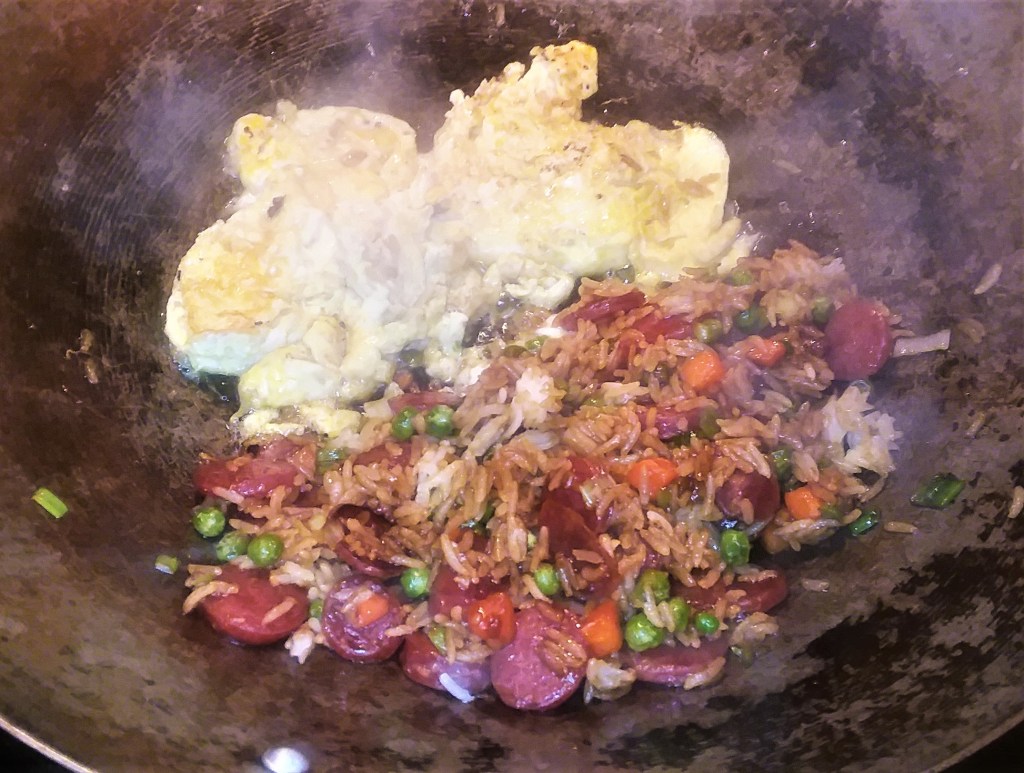
The wok distributes the heat more evenly than most flat-bottomed pans. What this means is you can put the heat up high to get the pan really hot and because of the steep sides you prevent burning by moving the food around. Stewing, steaming, boiling, and deep-frying are all within the wok’s repertoire.
Always season the surface of your wok before cooking. If you don’t do this you will have sticking. Sticking food will burn. Burning unlike charring will change rather than flavor the food and makes it harder to move food around. To avoid this is to put a little bit of oil just enough to swirl it around the inside cooking surface of the wok, letting it get smoking hot. Then pour the oil. Use fresh oil for cooking.
Oil with a high smoke point, is best. I use canola oil but I also use olive oil.
Classic stir-fry is often done at very high heat. The Chinese use the term the wok-hai, the fragrance of the wok from a kind of searing. Stir fry can have a bit of hissing, and some smoke. But you don’t want to heat the oil up so hot before you put in your aromatics because they can burn and turn bitter very fast.
After seasoning the surface get the wok really hot before you begin quickly put in garlic or chiles or sensitive things so the oil isn’t burning hot when you begin. You can extract the flavor without discarding or burning them.
A wok spatula with a long handle is particularly good tool for scooping off the base of the wok when stir-frying. The other cooking utensil that’s useful is a Chinese ladle, the bowl is at a different angle than the Western soup angle making it easier to use with the shape of the wok. You can use it for scooping up oil, stock, or water, or for mixing up sauces before adding to the wok. A scoop with holes in it is good for scooping food out of oil or sauce. A bamboo brush whose bristles won’t melt is essential for cleaning the pan in between dishes while it’s still hot.
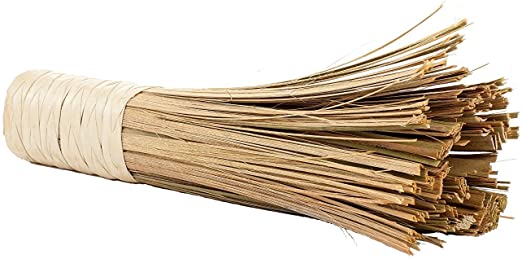
I have never learned the toss. I have seen instructions they read like this. “You just push the wok away from you and raise it and flip the food towards you. When you want to cook food very rapidly, it’s a way of moving it around. It’s always a good idea to practice without too much food and oil first. You could even practice with just some salad in it off the heat.”
If you want to make more food, it’s better to not just double the quantities for a stir-fry. If you try to stir-fry too much food, you won’t get the searing heat needed for traditional stir fry. Vegetables have a lot of liquid in them. When the wok is over loaded with food the temperature can’t return to heat as quickly as needed to which will cause inadequate cooking making everything mushy. It’s better to do in different batches.
If you have ingredients that cook at different rates, do them separately and incorporate them at the end and they’ll both be perfect. For example, you’ve got some crunchy vegetable and some slices of pork or chicken. You want your meat to be really juicy, not dry. Stir-fry your meat until they’re just right. Take them out and put them in a dish. Then cook the vegetables, and when they’re just right, you put the pork or chicken back in the pan. That way everything will be cooked correctly.
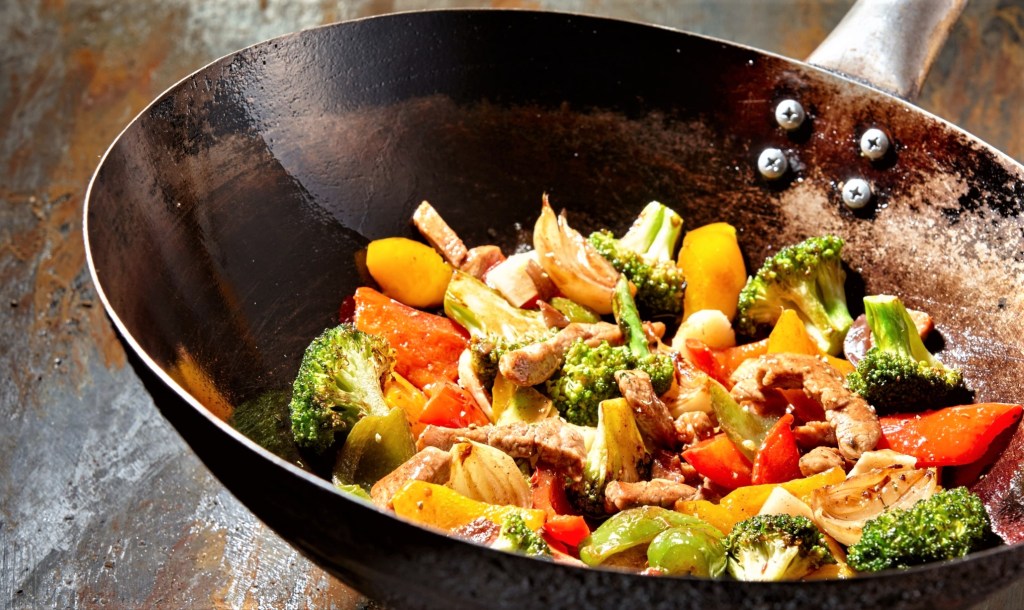
Unlike a lot of the pots and pans used in the kitchen everyday Woks are practically indestructible. There is no special care really needed for them. If the wok needs a good cleaning, give it a good cleaning.
After cleaning you re-season it: After cleaning, heat the wok very hot, then rub it with a thick wad of paper towels and some oil. Let it get very hot and then let it cool again. It may even get a bit rusty. But it doesn’t matter! Just rub away the rust with wire wool, re-season it with a bit of fresh oil, and you’re good to go.
 Fearless Cooking on a Fixed Income!