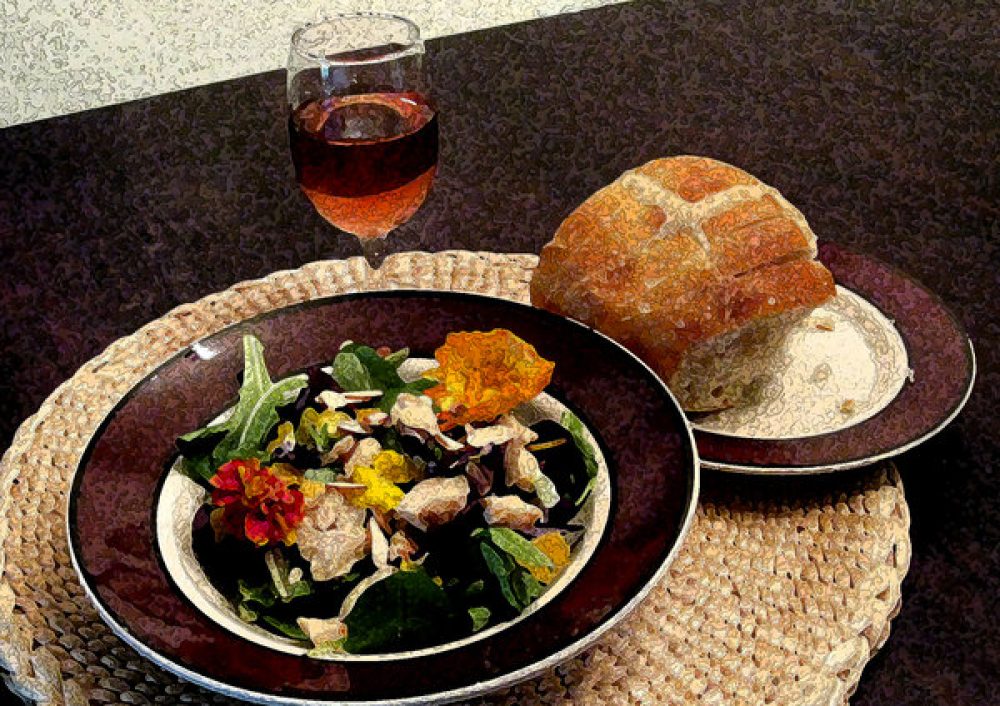
This month’s blog is to clarify the differences between food being just burned versus flavor-enhanced by the browning or charring process. When a food is burned, the proteins and sugars have gone past caramelization and into carbonization. Only bitterness is left.
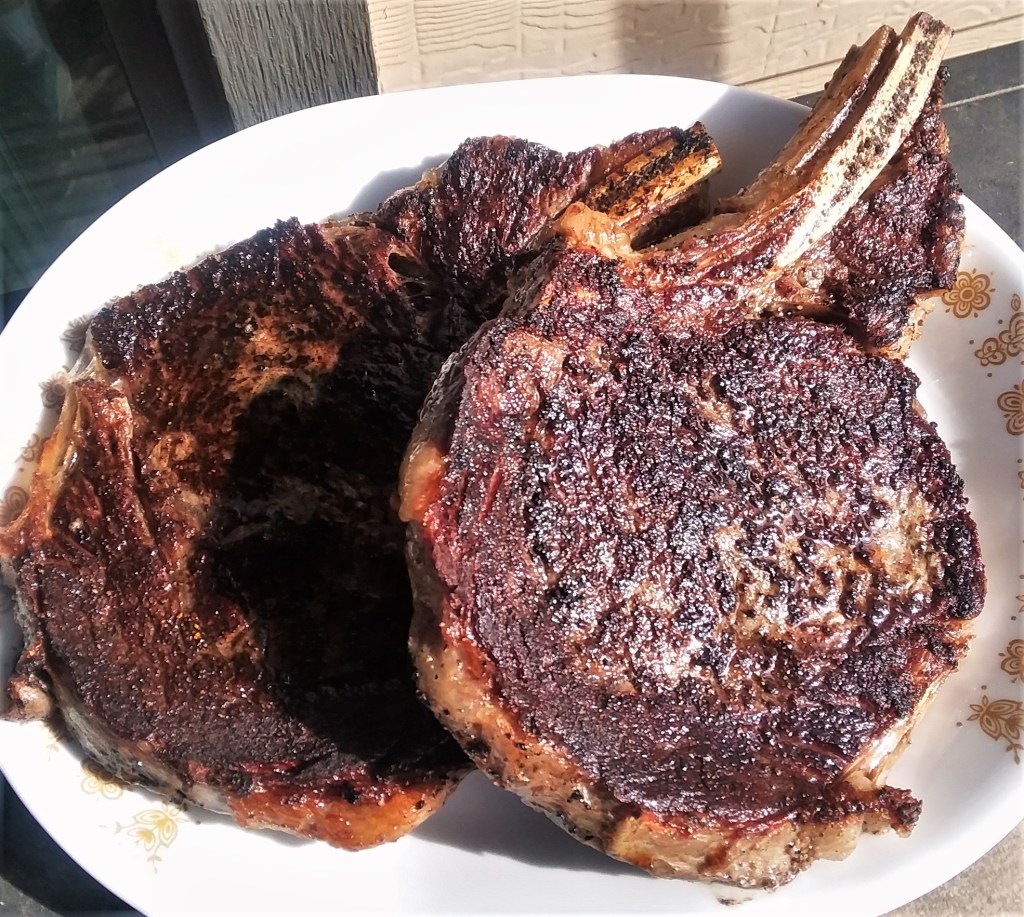
On the other hand, charring is allowing the browning to happen but stopping it before burning and tipping over the edge to being burnt. If you want to get technical, it’s called the ‘Maillard Reaction’ and describes how the browning gives food its distinctive flavor.
Seared steaks, fried dumplings, cookies and other kinds of biscuits, breads, toasted marshmallows, and many other foods undergo this reaction.
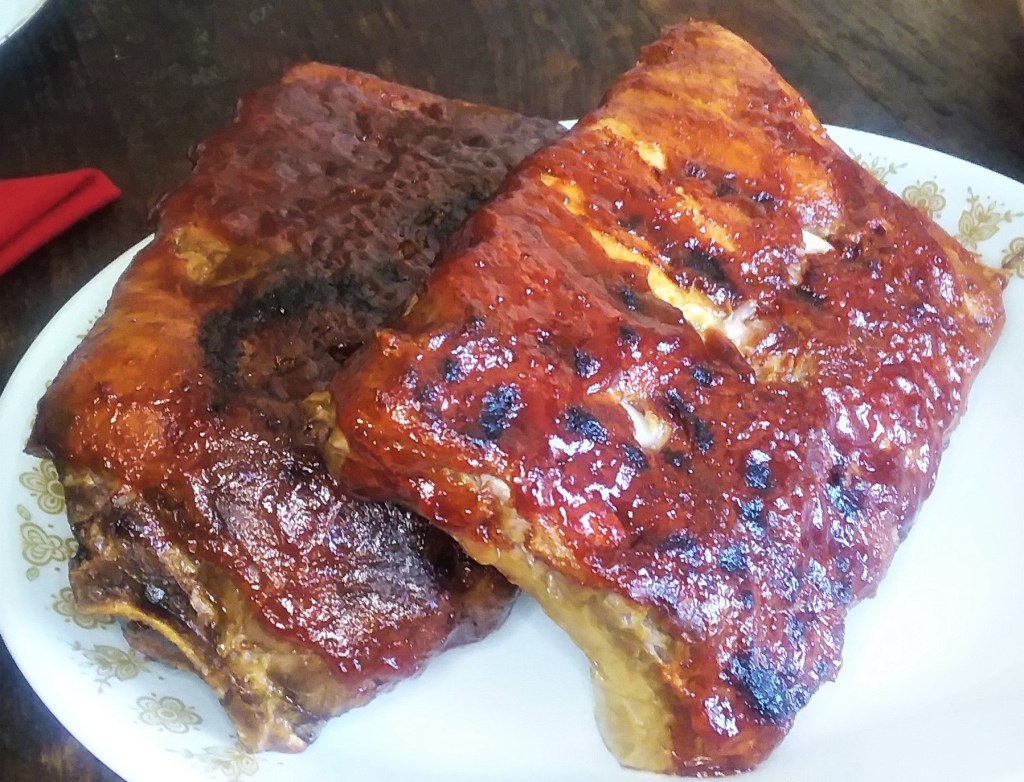
Charring brings out the natural sugars which adds to the overall flavor. Vegetables benefit the most from this, especially if they have a lot of natural sugars in them. The char is a welcome contrast to the natural flavor.
It depends on the balance of the char versus the sweetness. If the char is over all surfaces it quickly turns to just being burnt with an unpleasant acrid taste. Charring around the edges give a pleasant contrast of sweetness to the slight bitterness of the char.
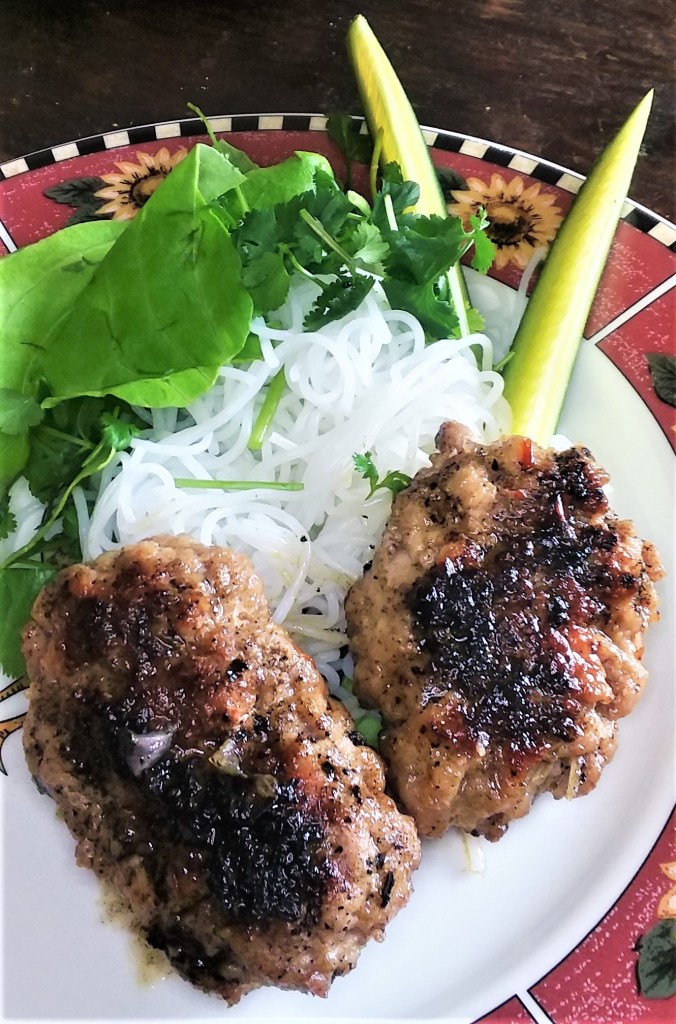
‘Leopard spots’ on pizza and tortillas are just the charring of the bread dough. The idea is to provide a contrast of flavors on the pizza enhancing them. The charring of tortillas gives a finished baked effect.
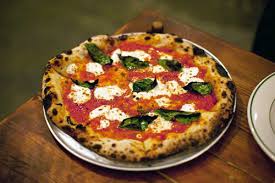
‘Blackening’ is a charring technique used in the preparation of fish and other foods. It is usually cooked in or on an extremely hot cast-iron skillet or grill to form a crust. The characteristic brown-black color of the crust results from a combination of browned milk solids from the butter, mayonnaise and charred spices.
One of the ways to add a nice crusty char on a steak is to add a gossamer-thin layer of mayonnaise – yes, mayo! – right before you put it on the grill. Give this a try, you won’t be disappointed.
To learn more about the Maillard Reaction, check out the link here.
 Fearless Cooking on a Fixed Income!